i.
Silk fabrics
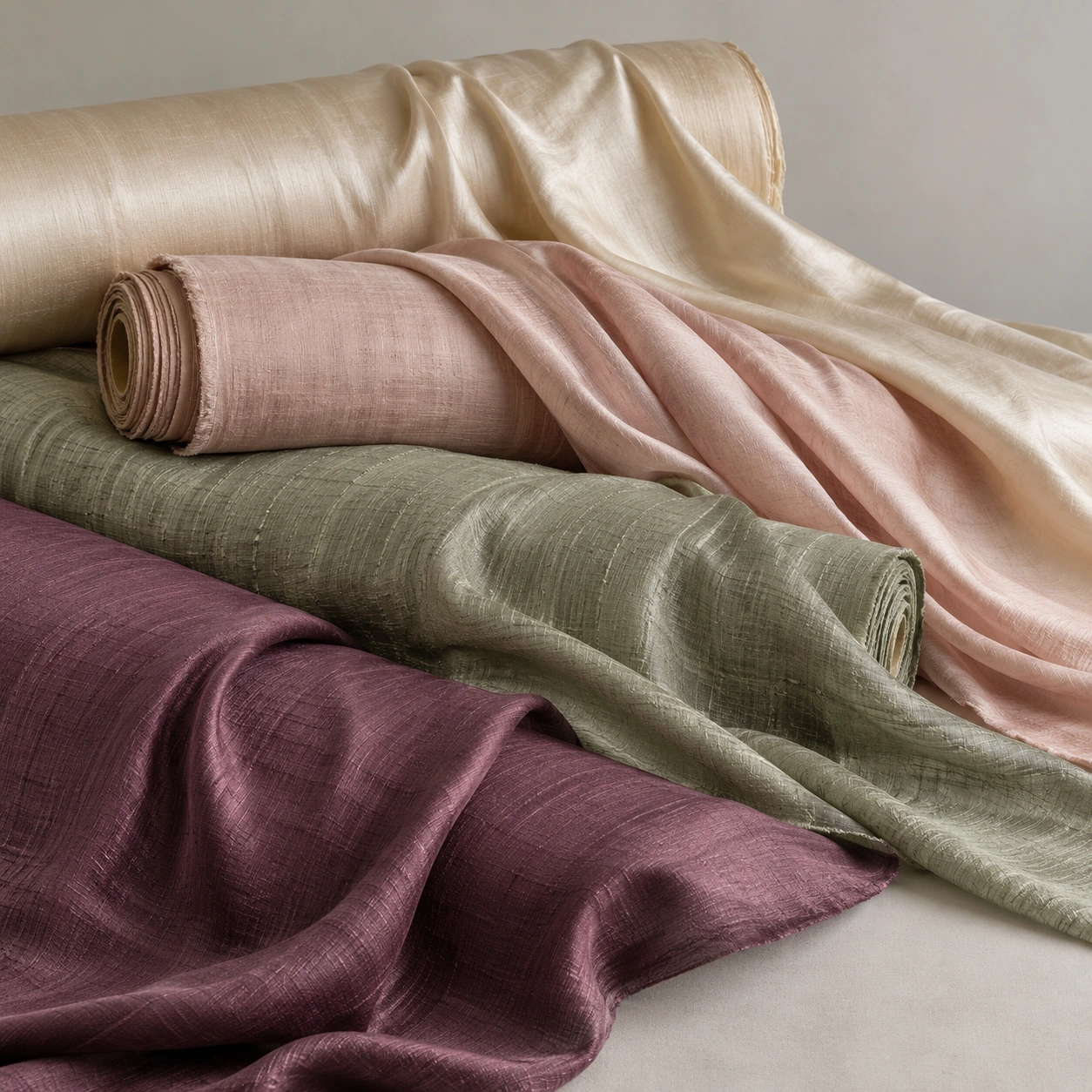
Silk by the yard for designers, makers, and brands, chosen for hand, drape, and luster.
CharmeuseCrepe de chineHabotaiGeorgetteTwill
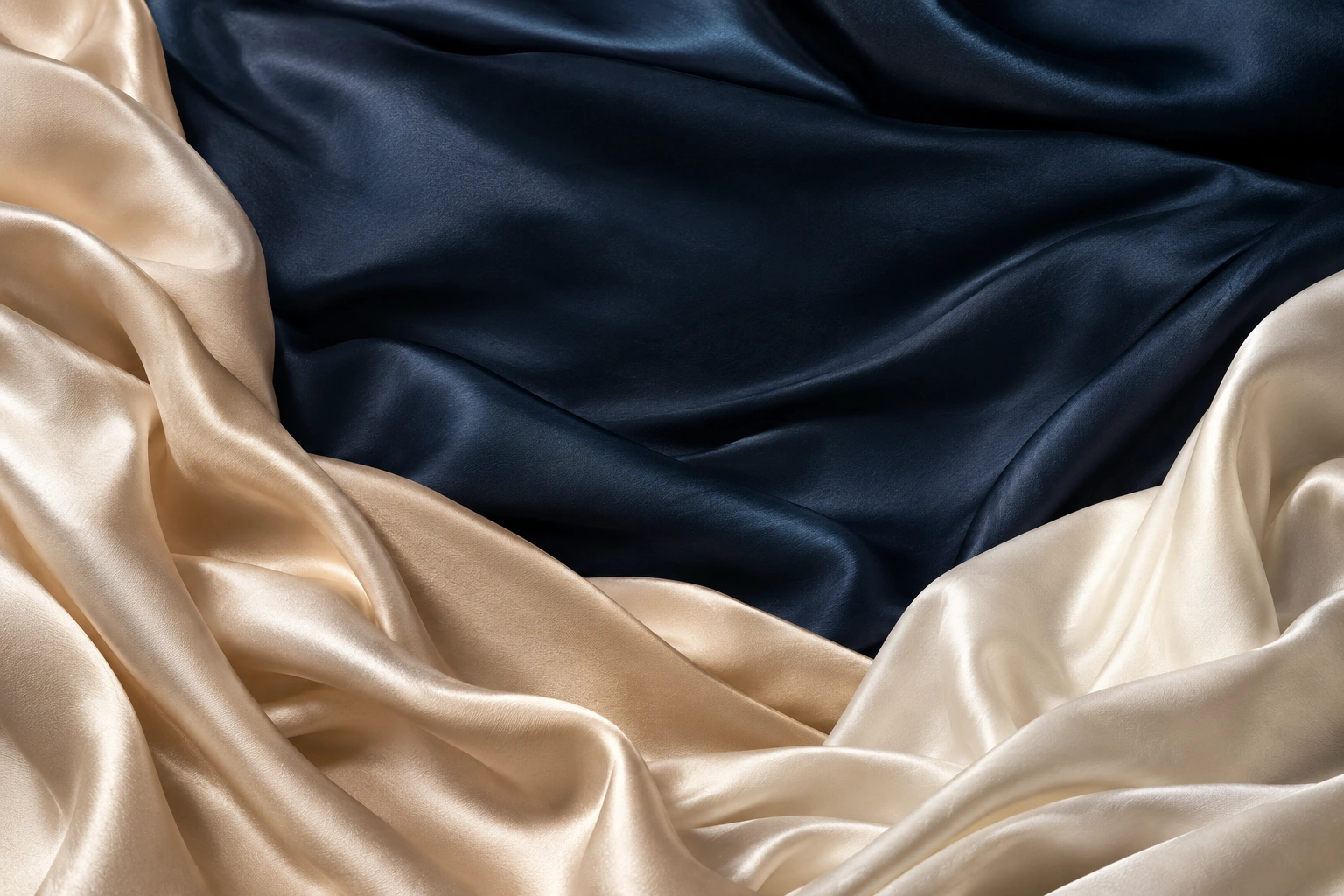
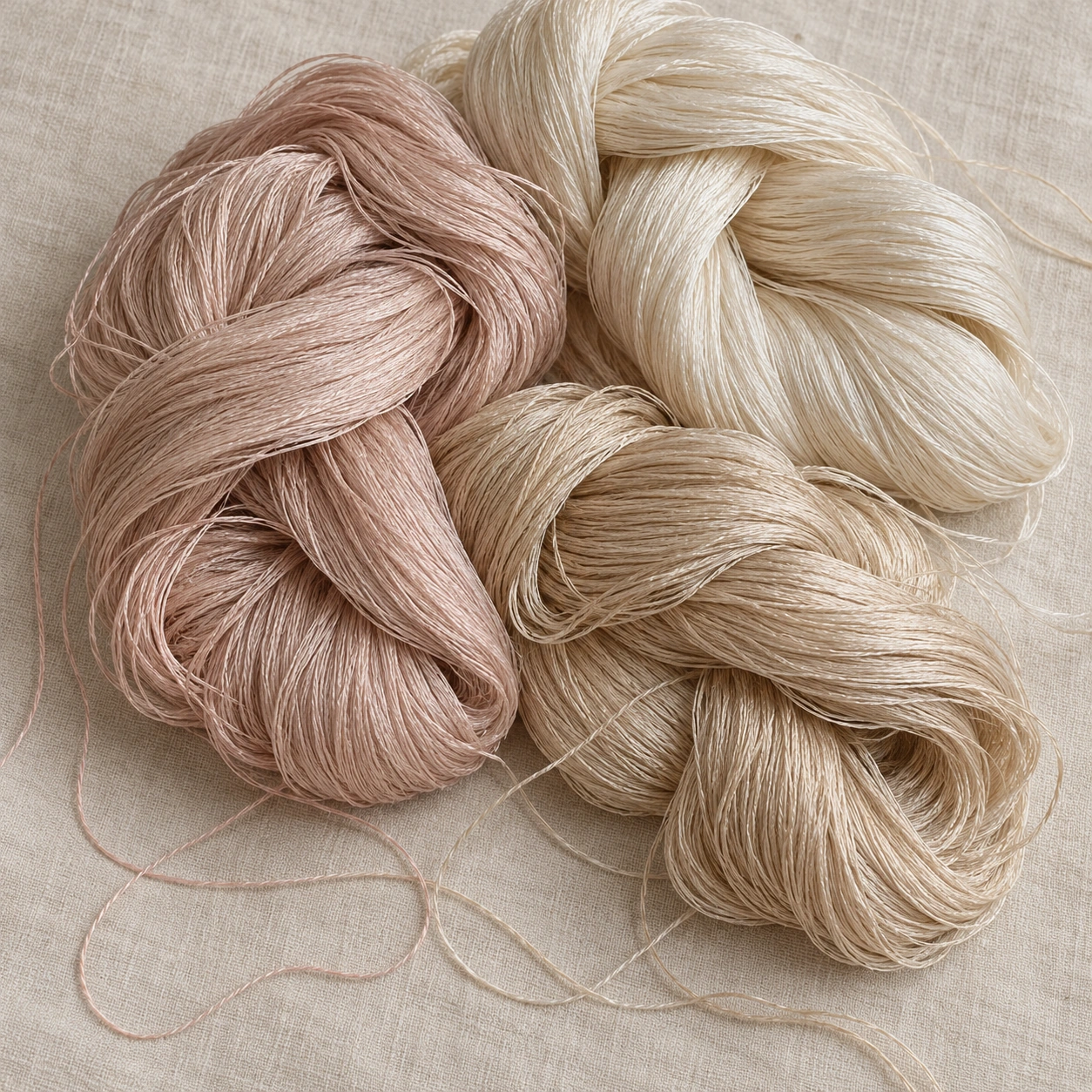
FangSilk is a silk trading business based in the San Francisco Bay Area, Northern California.
We supply silk fabrics and silk products to designers, brands, and retailers, and we focus on silk alone so that every conversation starts with real knowledge of the material.
A natural sheen that catches the light.
Flows and falls with graceful movement.
Smooth and gentle against the skin.
Light and comfortable in every season.
Silk by the yard for designers, makers, and brands, chosen for hand, drape, and luster.
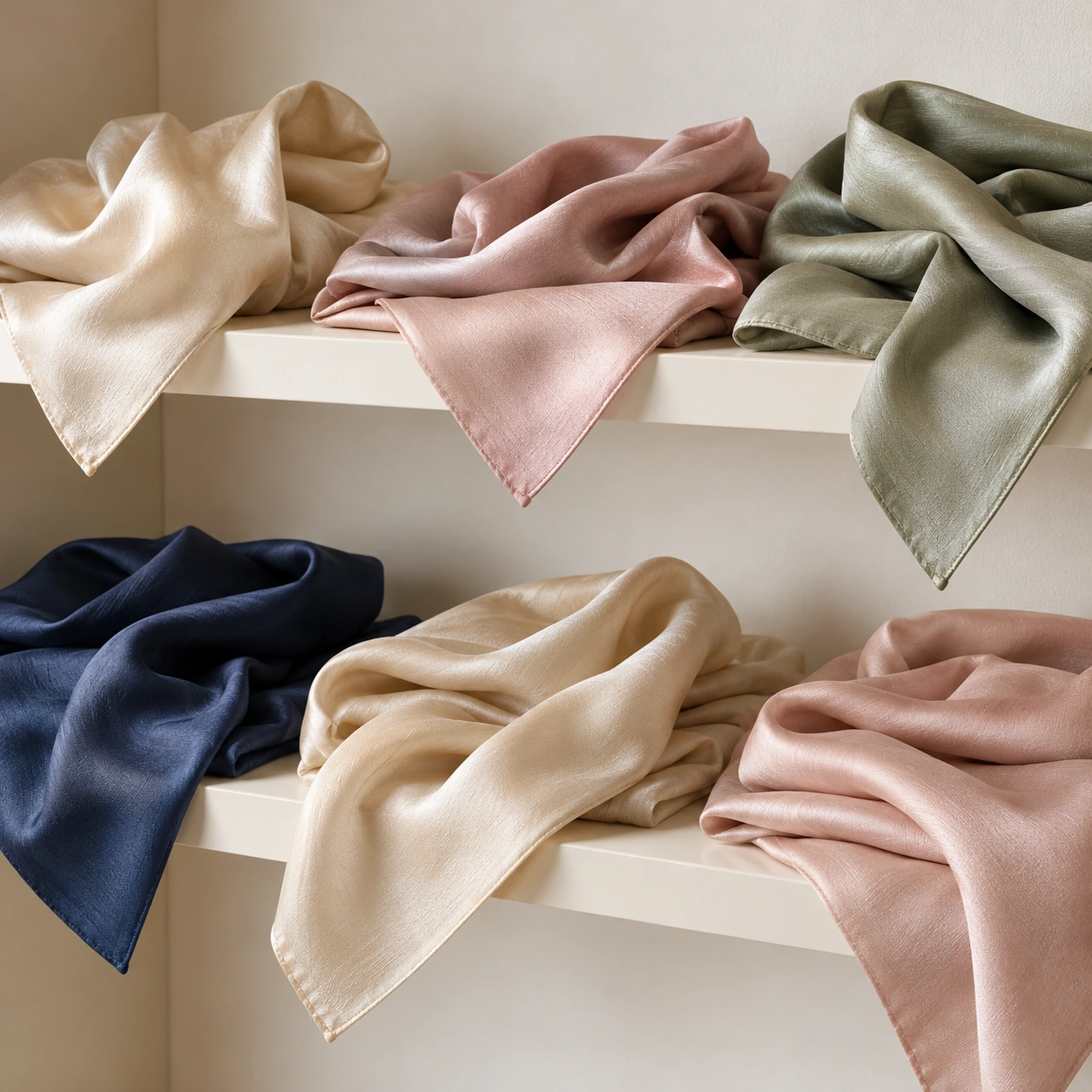
Finished silk pieces for retail, everyday life, and gifting.
Silk pillowcases: OEKO-TEX® STANDARD 100 certified
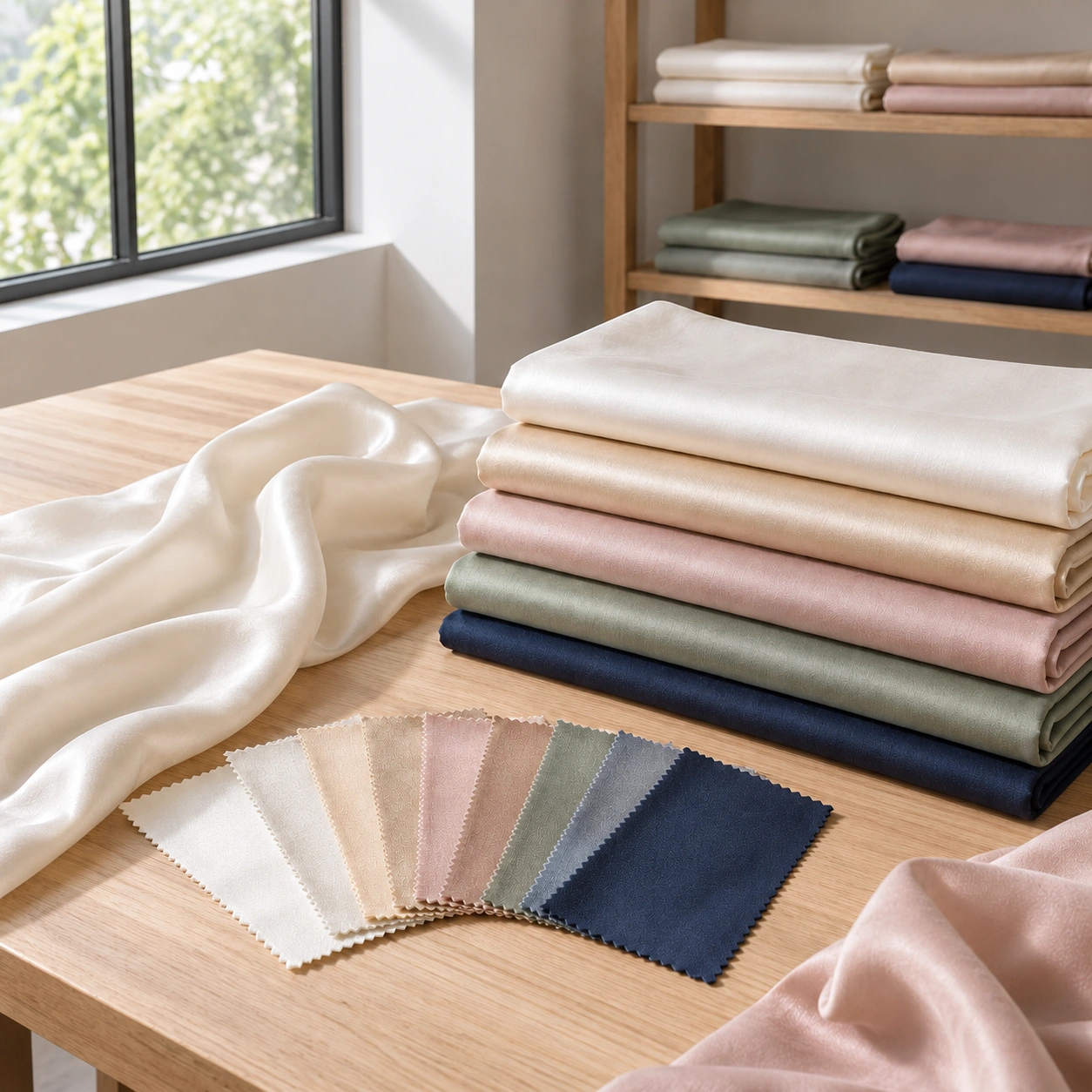
Volume orders and long-term supply for retailers and brands.
The categories above are open for inquiry. Our silk collection is in development, and product photographs, specifications, and pricing will be shared as each line launches.
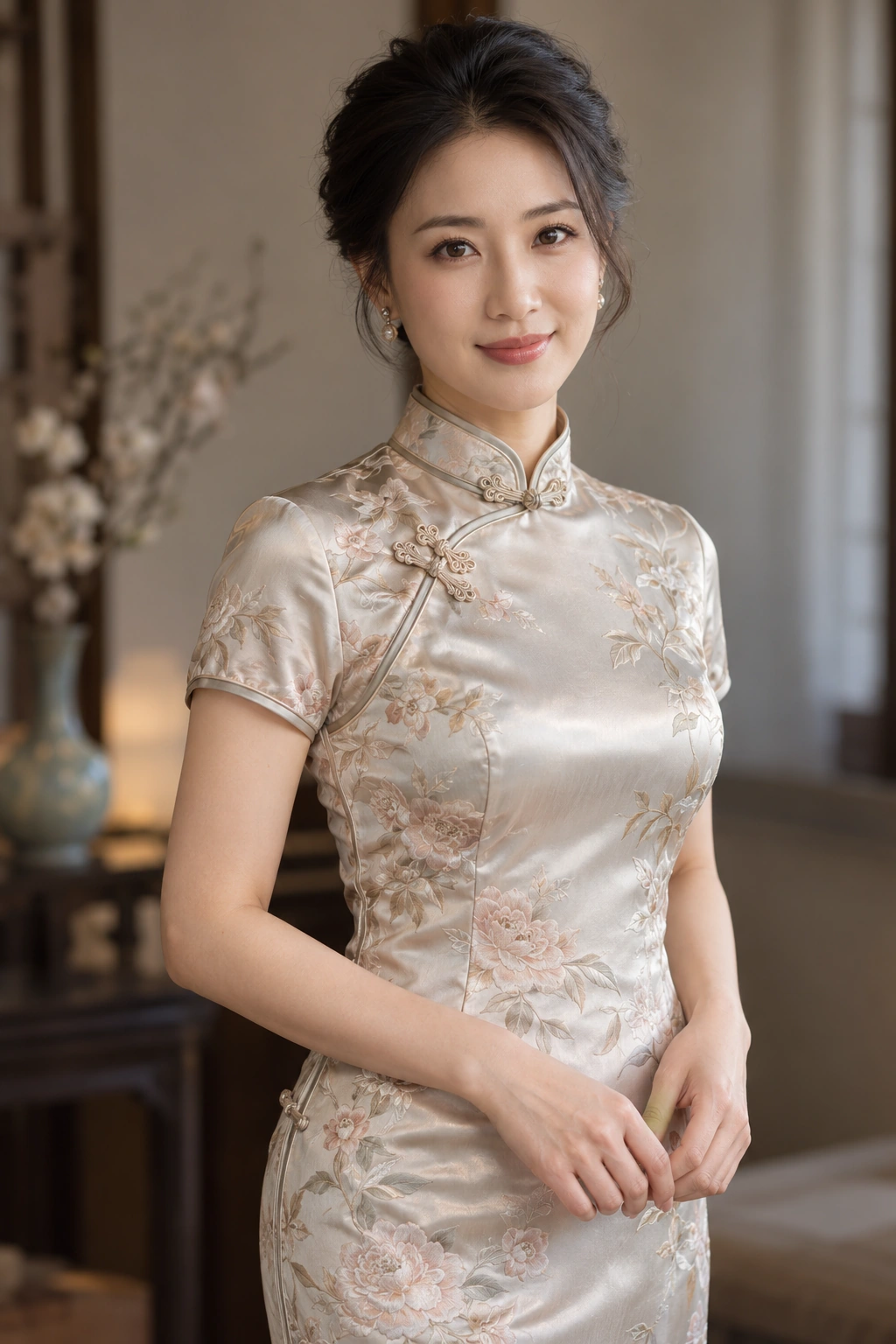
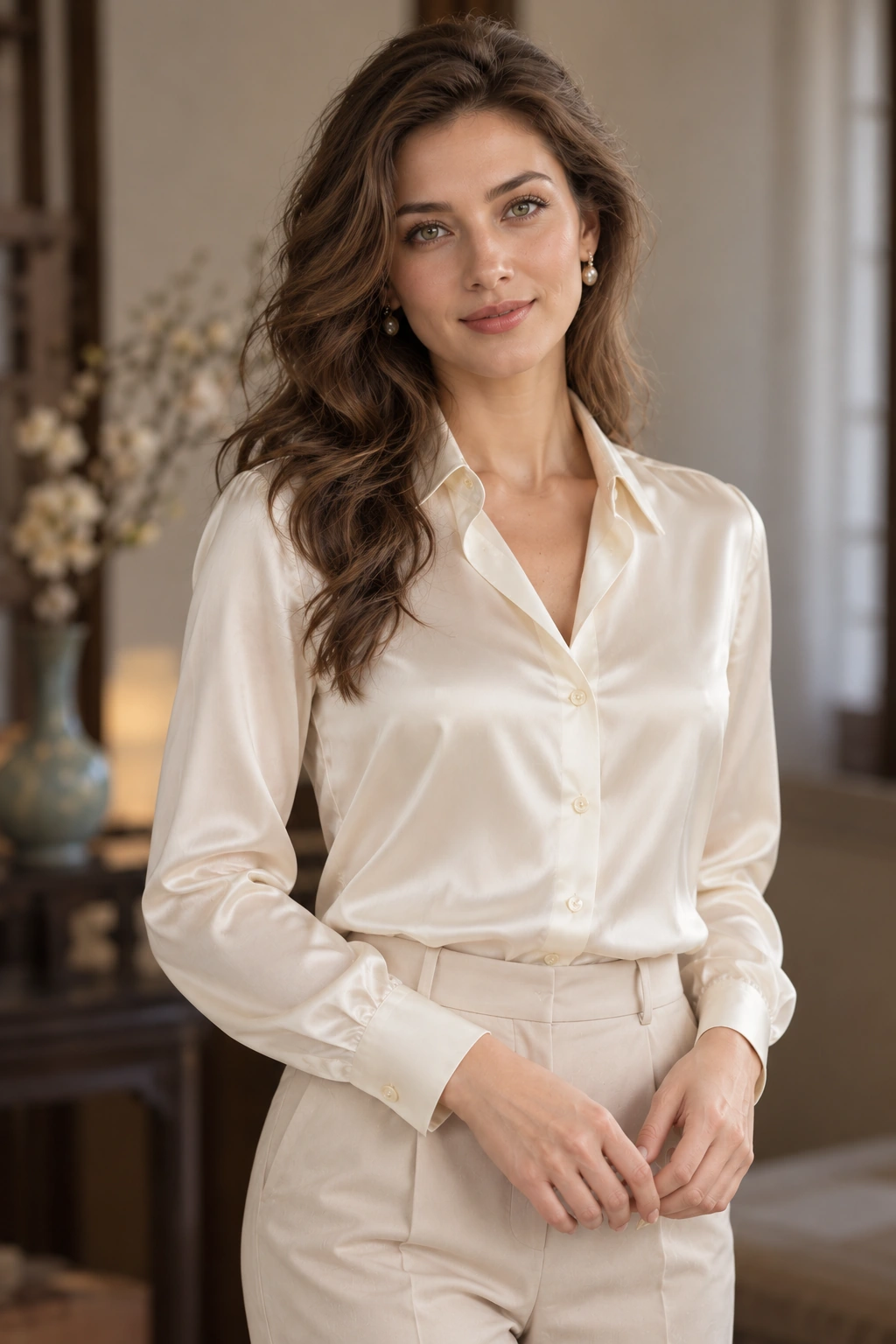
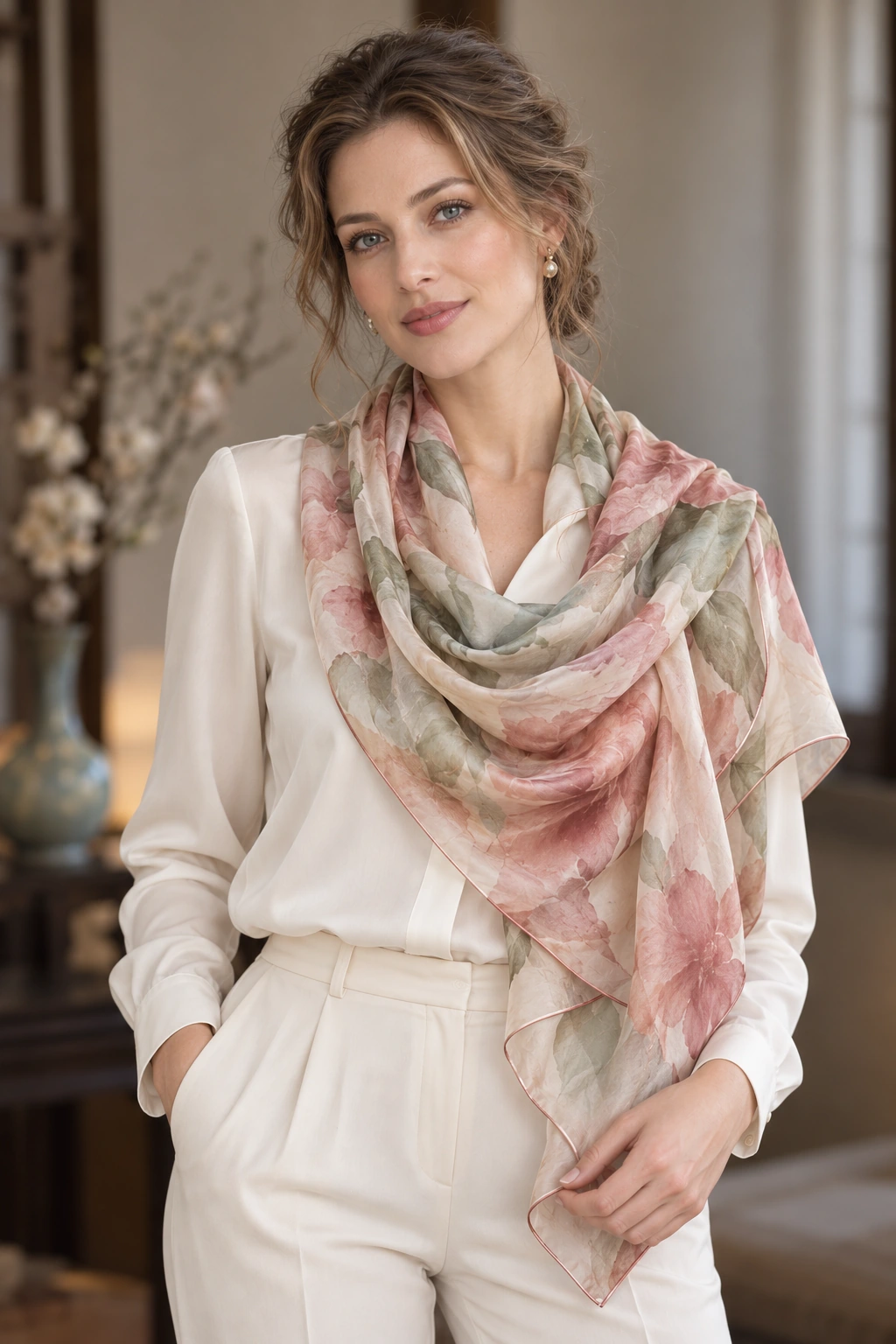
AI-generated styling illustrations with fictional adult models. These are design inspirations, not photographs of products currently for sale.
Look beyond the fabric name. Construction, finish, and a well-chosen sample help you find the right silk for your project.
Measure your pillow before choosing a case. An envelope uses overlapping fabric; a hidden zipper closes the opening. Piping and an Oxford border are edge treatments, not closures. Check whether silk is used on both faces or only one.
Start with the finished dimensions and how you will wear it: a square, narrow neck scarf, or long wrap. Compare hand-rolled and machine-rolled hems, and check that the printed border is not lost in the finished edge.
A single-sided print may look lighter on the reverse. Double-sided printing puts artwork on both faces; it is not the same as sewing two fabric layers together. Inspect both sides of the sample before approving the design.
For a lined or double-layer bonnet, ask for the fiber content of the inner and outer fabrics separately. Check the size and adjustment range, and try the band for a comfortable fit rather than choosing by momme alone.
Silk changes with the light, and screens cannot show its exact shade or sheen. For a custom color, use a physical reference and approve a dyed fabric sample. For a print, review the colors on the intended fabric.
Specify fiber content, weave, momme, finished size, quantities by color, artwork, labels, and packaging. Approve a sample and confirm the price, minimum quantity, and delivery schedule for that specification before placing a bulk order.
These are selection guidelines, not a stock list. Available materials, construction, customization, and any certification must be confirmed for the specific product.
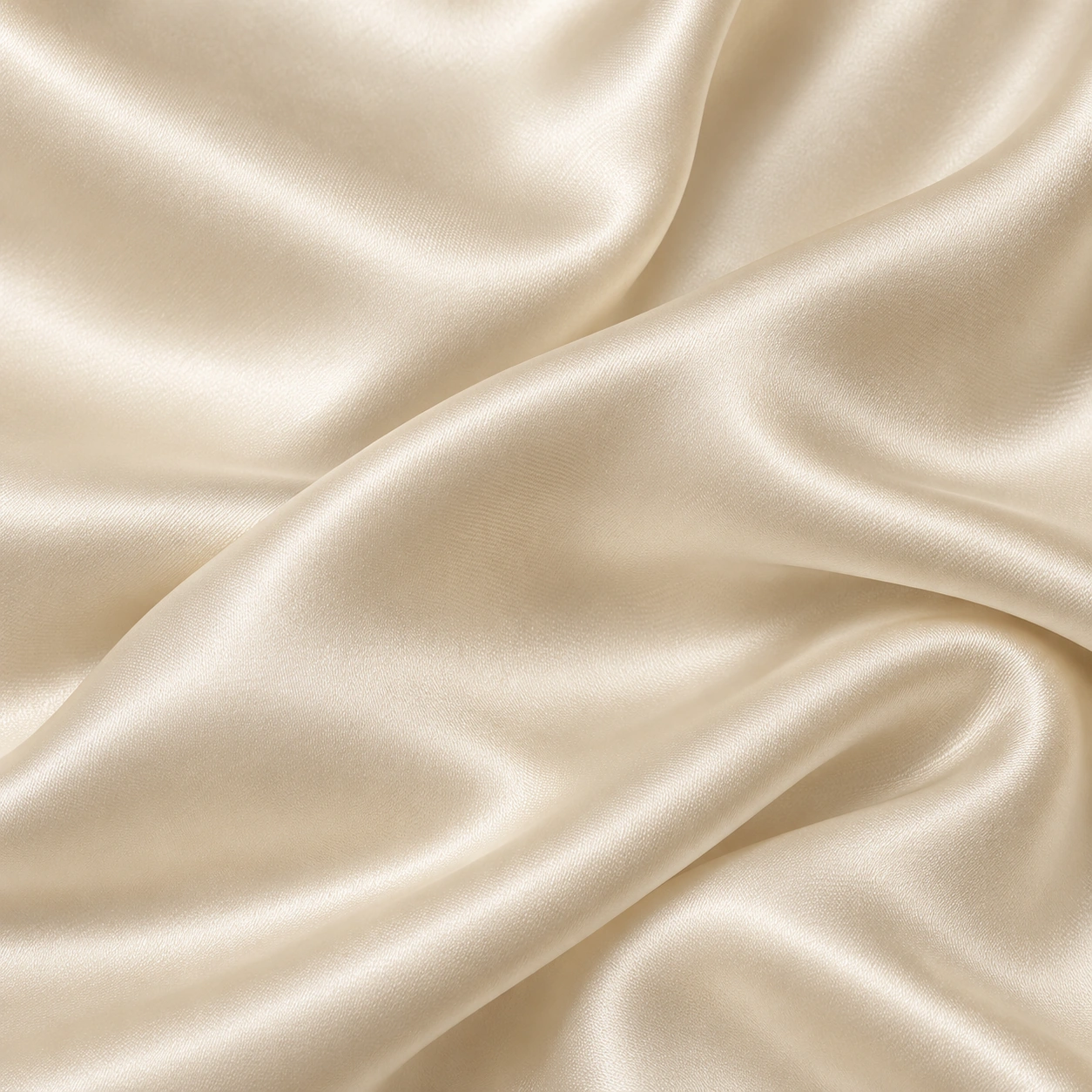
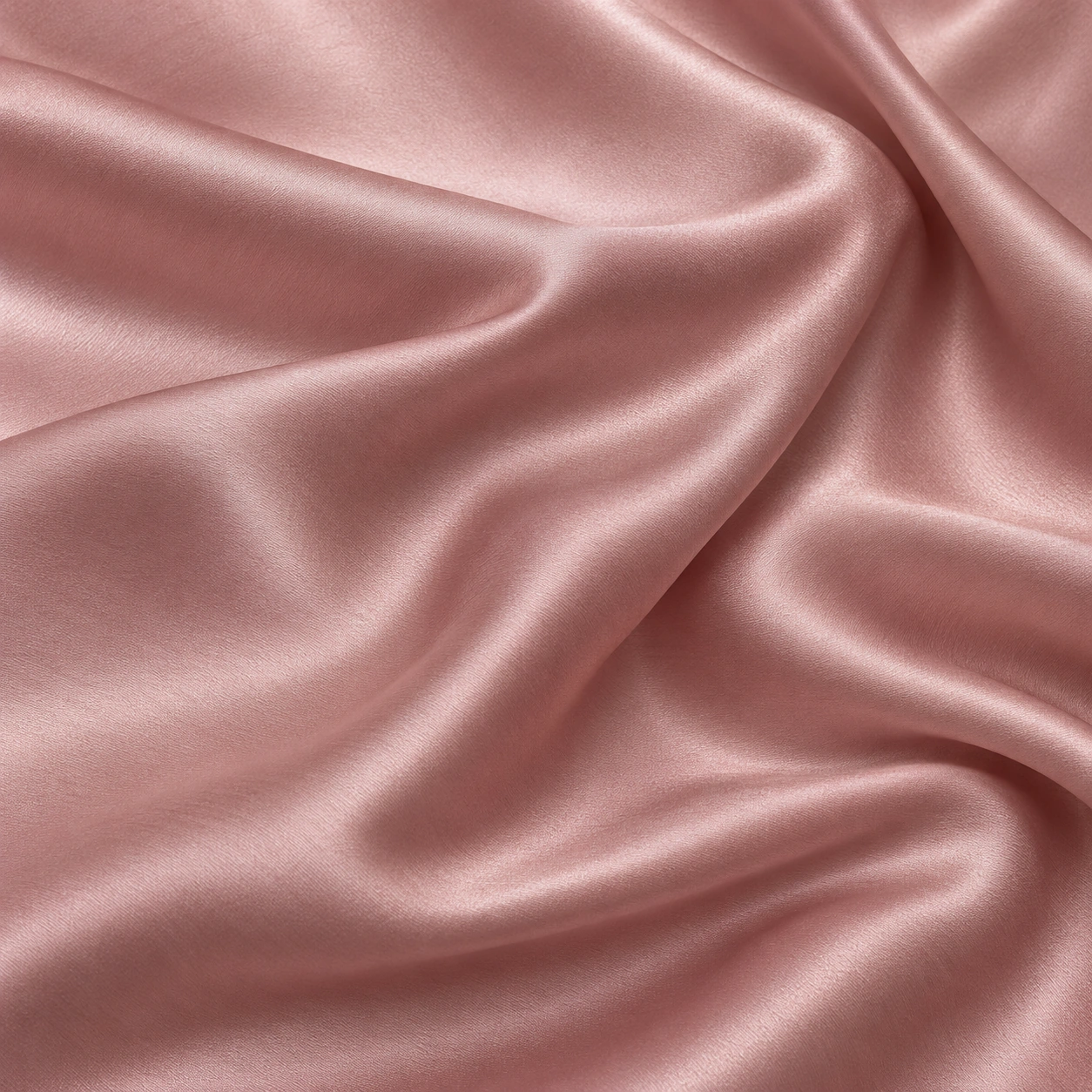
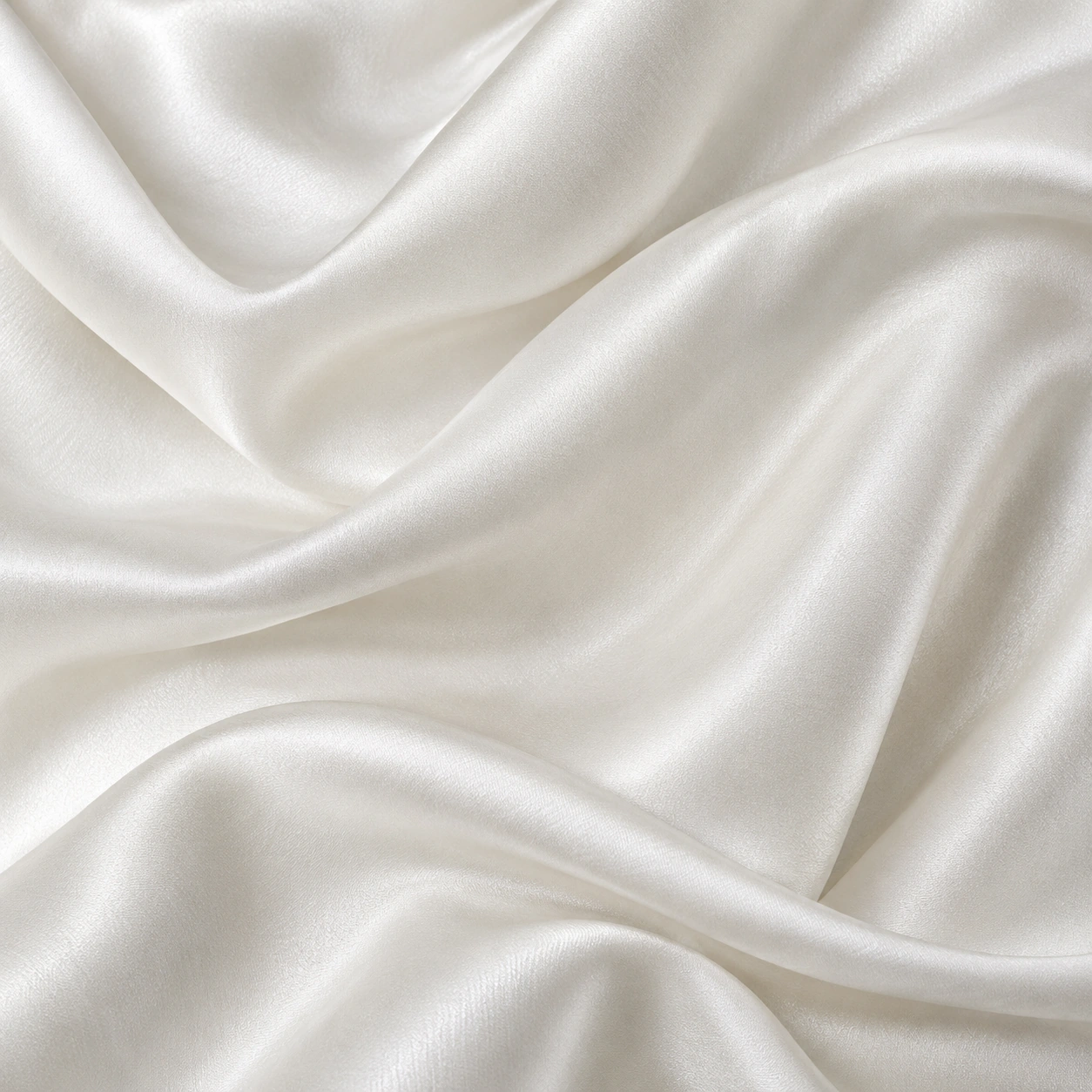
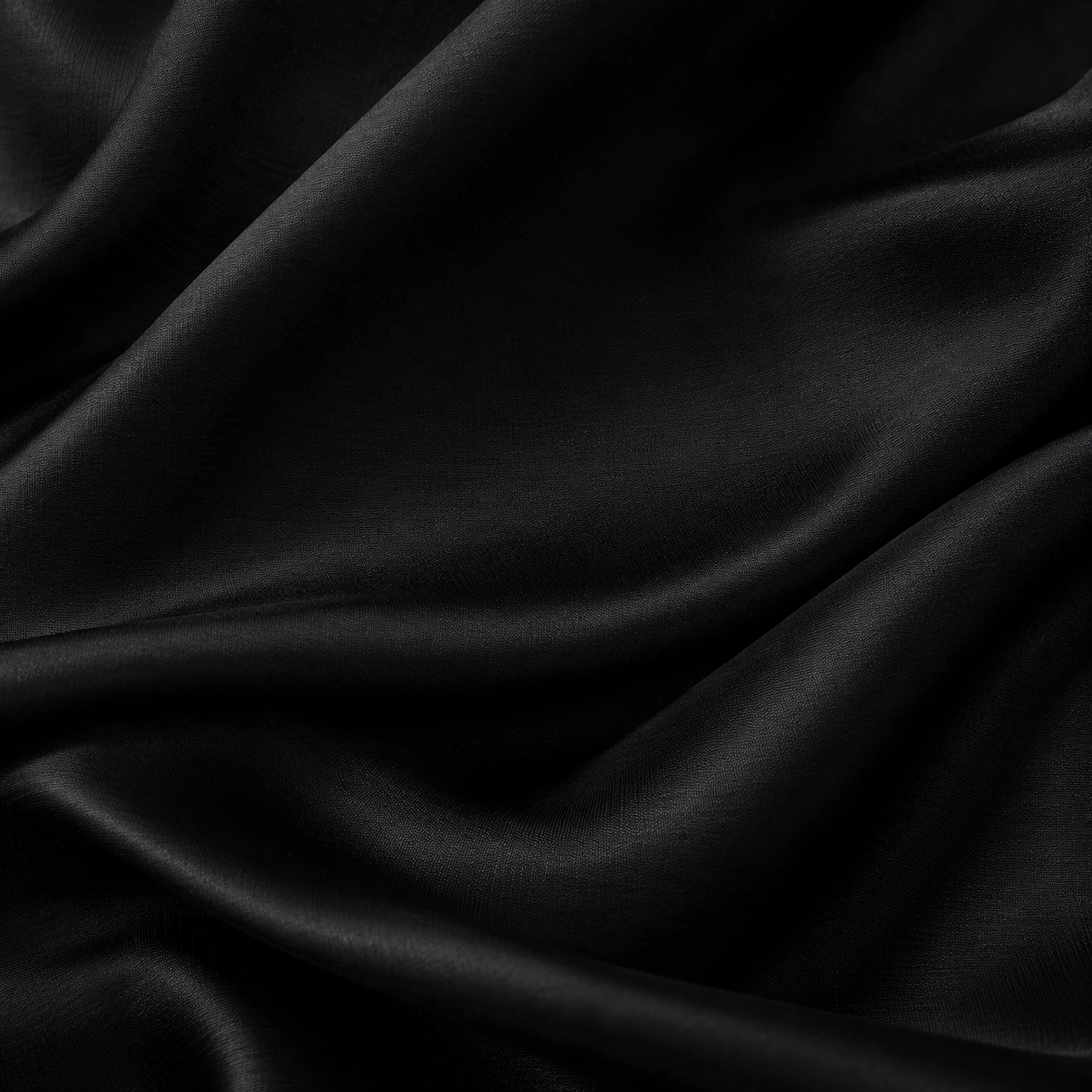
Every length of mulberry silk begins with a silkworm and a mulberry leaf. Here is how a single thread becomes fabric.
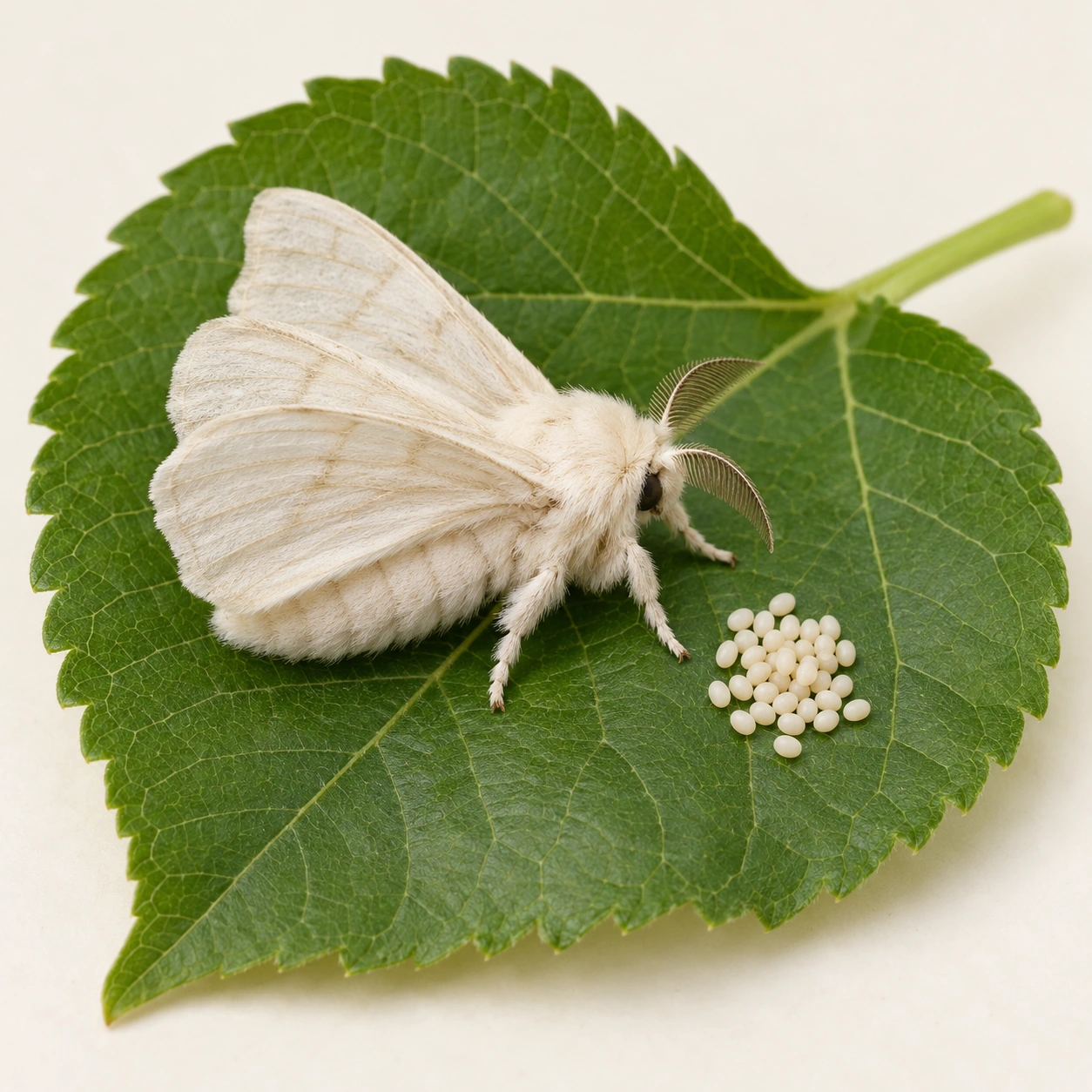
The domesticated silkworm, Bombyx mori, hatches from tiny eggs. Bred over thousands of years, it now depends entirely on human care.
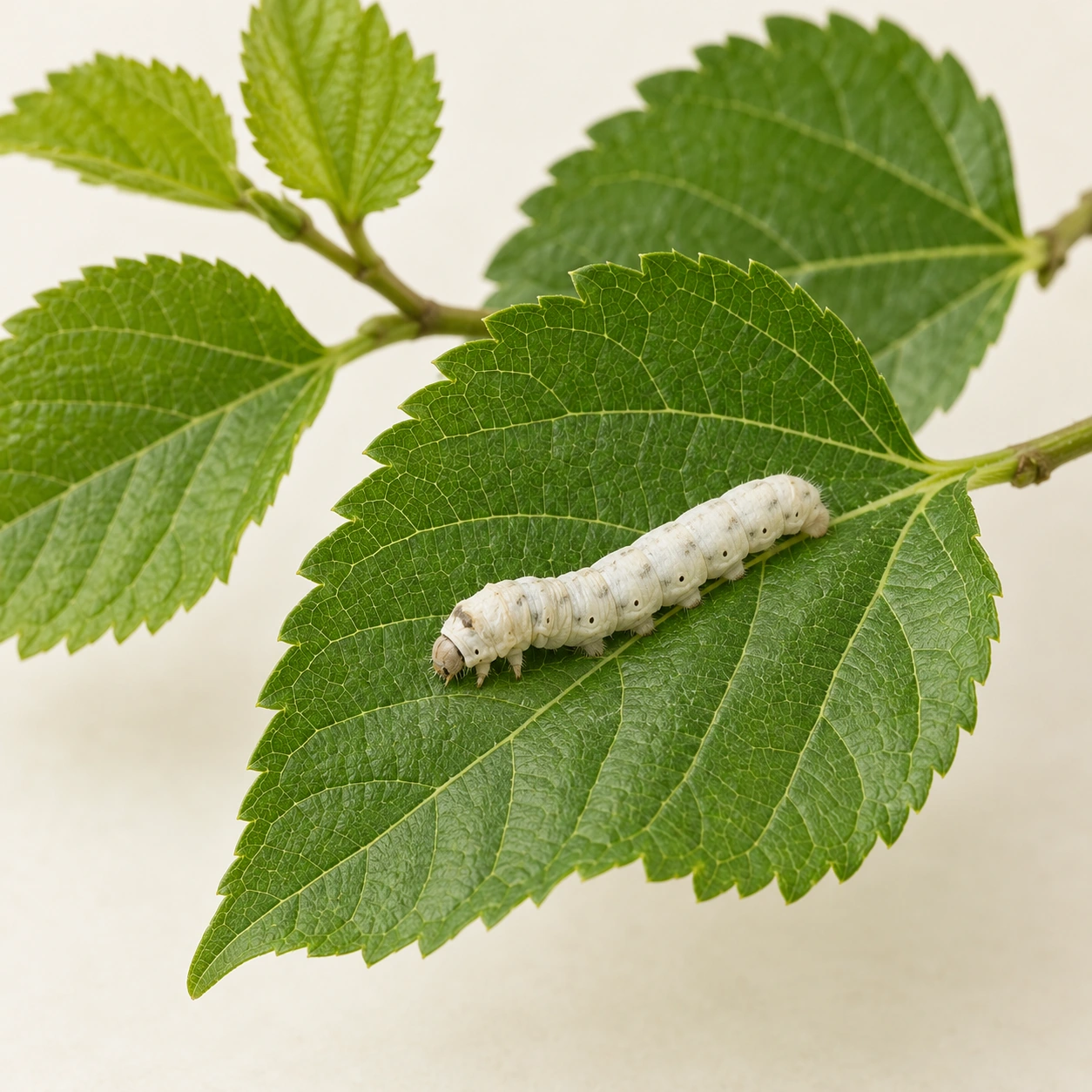
Young silkworms eat only mulberry leaves. Over about a month they molt four times and grow several thousandfold.
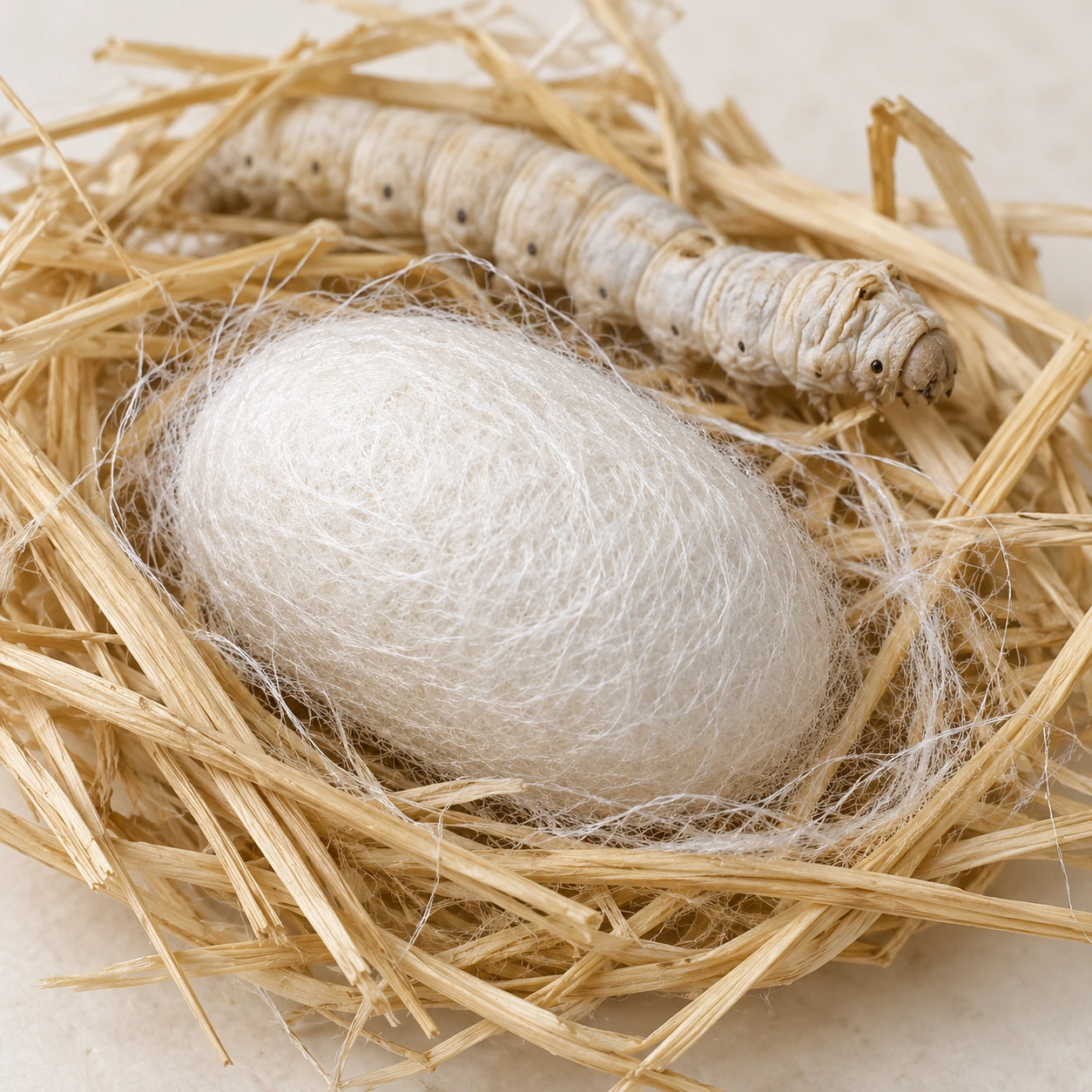
A mature silkworm spins for two to three days. Each cocoon is wound from one continuous filament that can exceed a thousand meters.
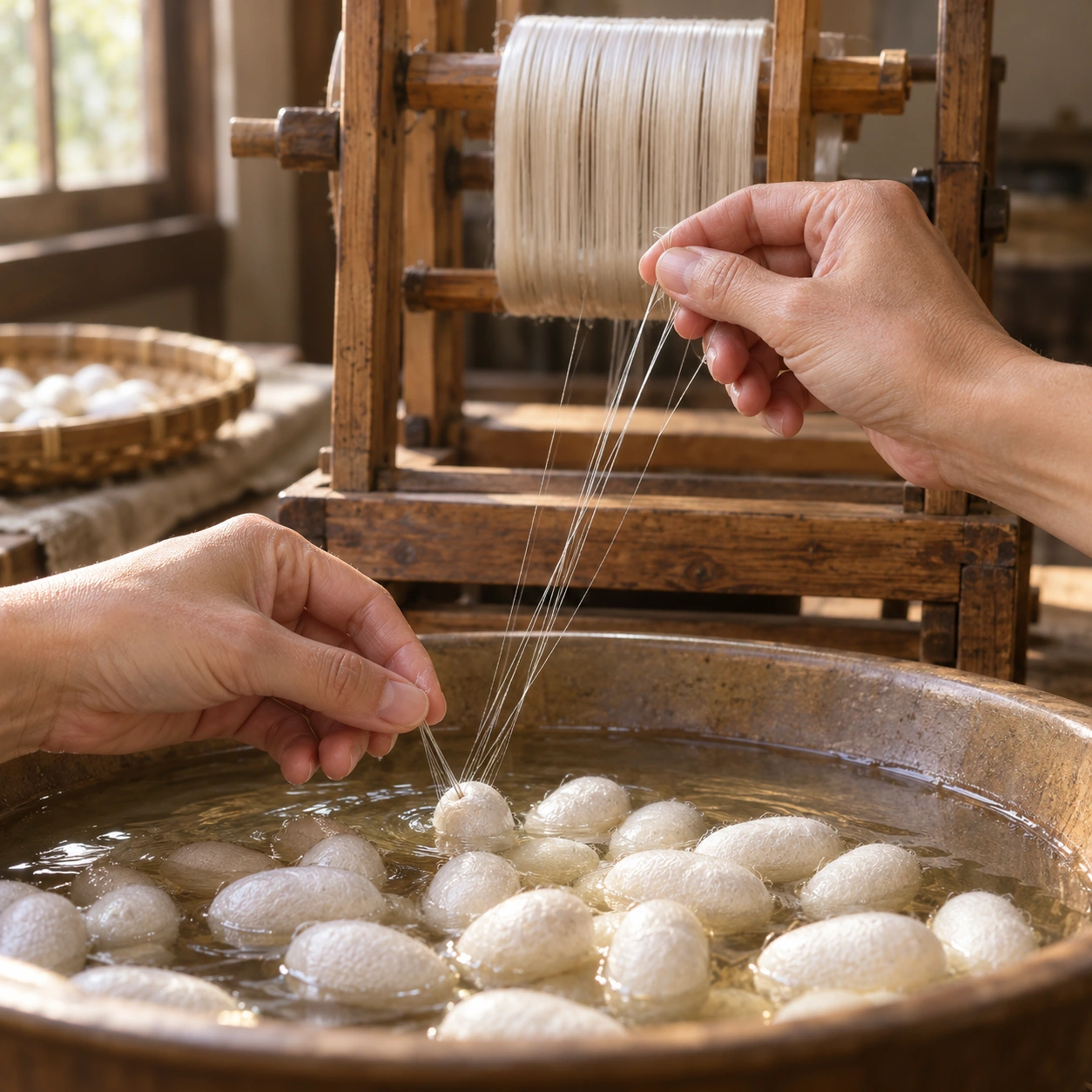
Cocoons are softened in hot water, the ends are found, and several filaments are reeled together into raw silk.
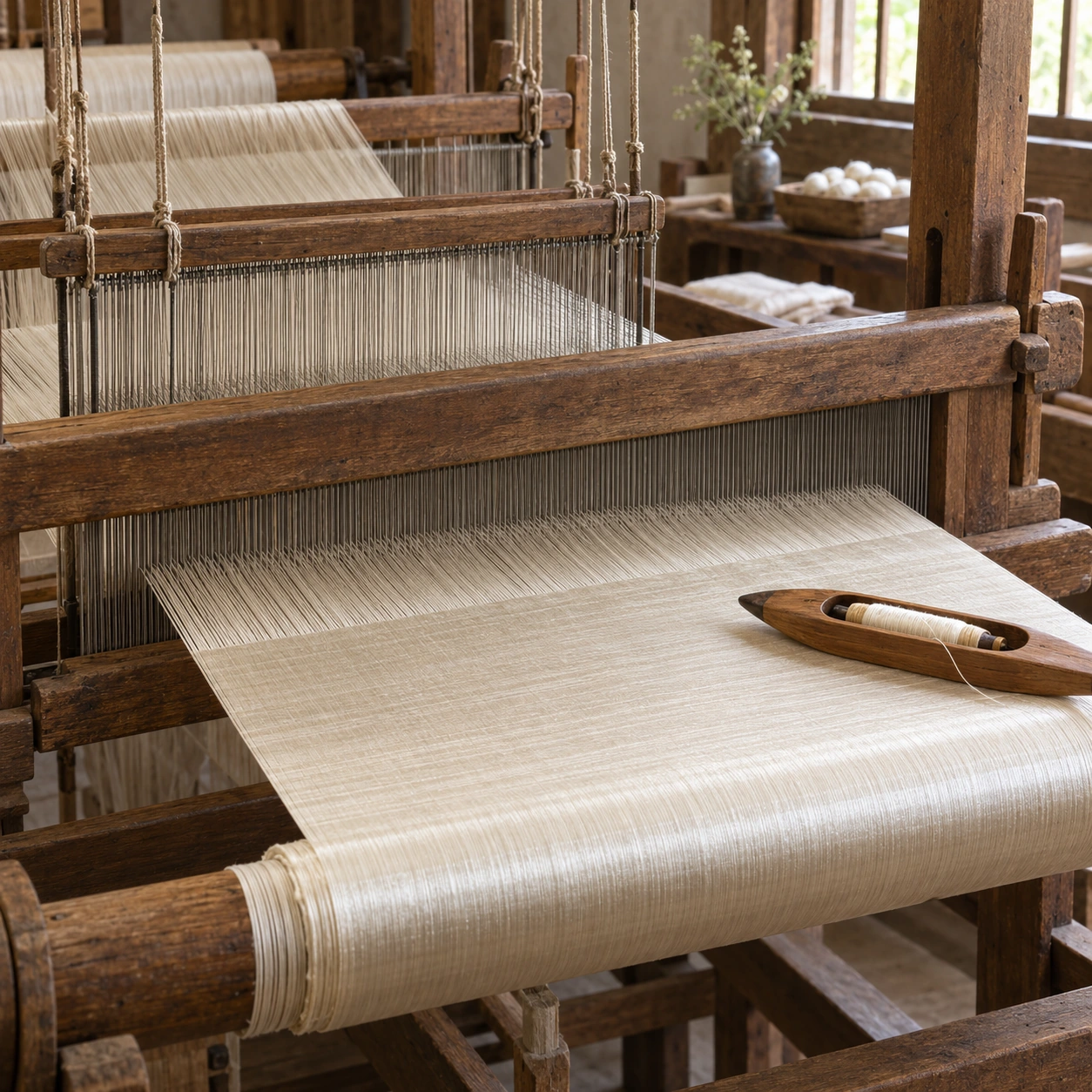
Raw silk is twisted and woven. Different weaves create satin, crepe, habotai, and gauze.
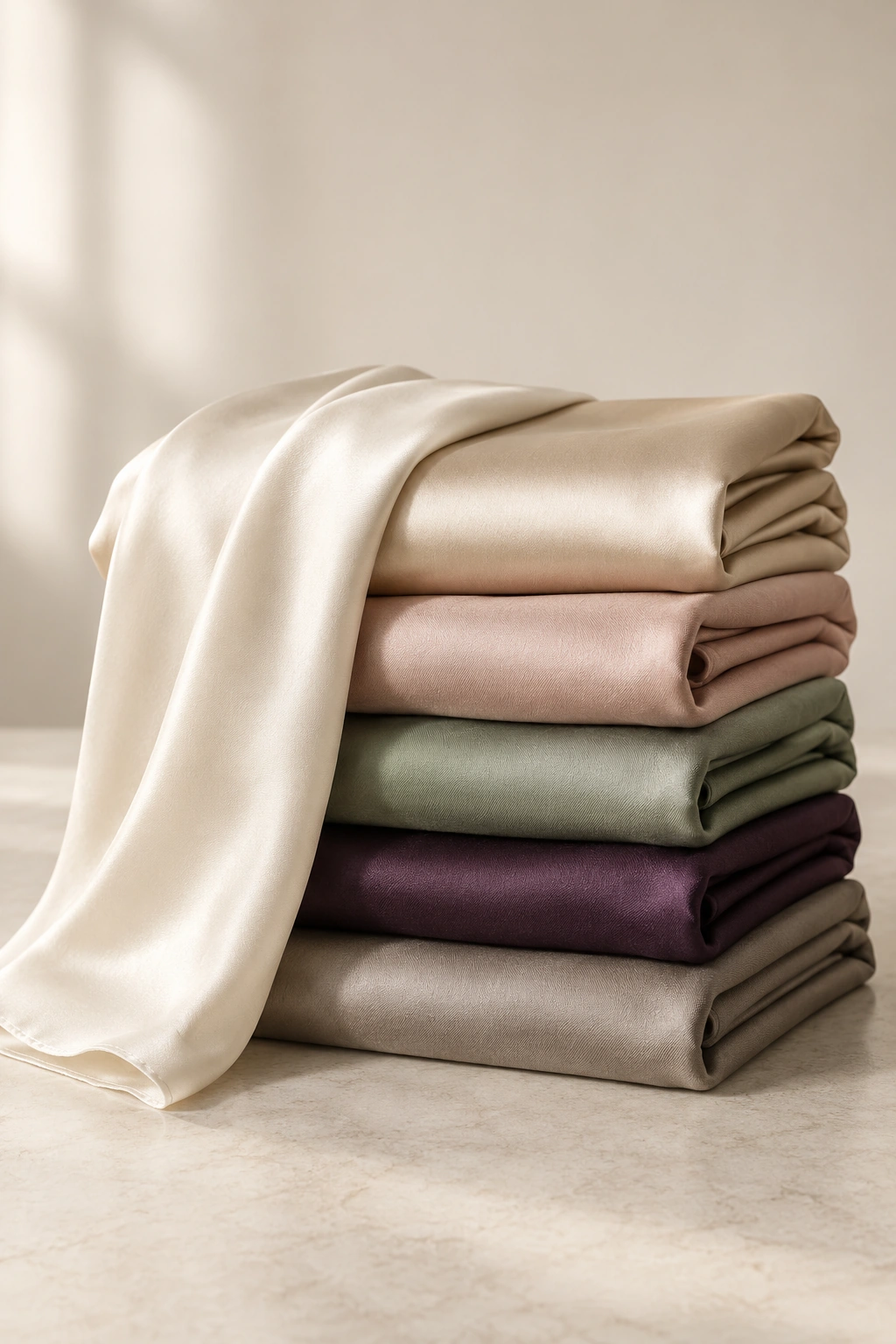
Removing the natural sericin makes silk soft and lustrous, ready to be dyed and finished.
Tradition holds that Leizu, consort of the Yellow Emperor, taught people to raise silkworms and reel silk. She is honored as the first sericulturist.
Silk fragments about 5,500 years old were found at the Qingtai site in Henan, and silk cloth, ribbon, and thread over 4,000 years old at Qianshanyang in Zhejiang.
Characters for silkworm, mulberry, silk, and silk cloth already appear in oracle-bone inscriptions.
The Book of Songs contains many verses about picking mulberry leaves and raising silkworms.
From 138 BC, Zhang Qian’s missions to the Western Regions opened routes west. A plain gauze robe from the Mawangdui tombs weighs only about 49 grams.
According to historical accounts, around AD 552 monks carried silkworm eggs to Constantinople, bringing sericulture to the Byzantine Empire.
Trade along the Silk Road flourished, Chang’an became a great international city, and silk patterns blended Eastern and Western styles.
Sea routes thrived and Quanzhou grew into one of the world’s great ports, shipping silk and porcelain far overseas.
Imperial silk works were set up in Jiangning, Suzhou, and Hangzhou. Yun brocade, Song brocade, and Shu brocade are known as China’s three great brocades.
In 1877 the geographer Ferdinand von Richthofen coined the term “Silk Road.” Chinese sericulture and silk craftsmanship joined UNESCO’s intangible heritage list in 2009, and the Chang’an–Tianshan corridor of the Silk Roads became a World Heritage Site in 2014.

China was the first civilization to raise silkworms and reel silk; archaeological finds of silk date back about five thousand years. In the second century BC, the Han dynasty envoy Zhang Qian opened routes to the west that became known as the Silk Road, carrying silk across Asia to Europe.
The overland Silk Road ran from Chang’an through the Hexi Corridor and Dunhuang to Central Asia, Persia, and the Mediterranean. The Maritime Silk Road sailed from Quanzhou and Guangzhou through Southeast Asia and the Indian Ocean to Arabia and East Africa.
Silk, porcelain, tea, and papermaking
Grapes, alfalfa, walnuts, spices, glassware, and fine horses
Religions, music, art, and technology traveled the same roads
Silk is made mainly of two proteins, fibroin and sericin, and contains 18 amino acids. It is one of the strongest natural fibers for its weight.
A silk fiber has a roughly triangular cross-section. Like a prism, it refracts light at different angles, giving silk its soft shimmer.
Mulberry silk comes from domesticated silkworms fed on mulberry leaves and is fine, white, and even. Tussah silk comes from wild silkworms that eat oak leaves; it is coarser, with a natural tan color.
Silk absorbs and releases moisture well and breathes easily, so it feels cool in summer and gently warm in winter.
Burned, real silk smells like burning hair and leaves an ash that crumbles to powder. Rubbed together, it makes a faint rustle called scroop, and it warms quickly against the skin.
Its smooth surface creates little friction, which is why silk is a favorite for pillowcases, sleepwear, and hair accessories.
The Taihu Lake region of Jiangsu and Zhejiang has been the heart of Chinese silk for centuries, with mild weather, fertile soil, and abundant mulberry. Each center has its own specialty.
Known for hangluo gauze and woven silk pictures, and home to the China National Silk Museum.
Its Jili raw silk was celebrated for centuries and won a prize at the 1851 Great Exhibition in London.
A center of refined silk craft, famed for Song brocade and Suzhou embroidery.
Yun brocade, once woven for the imperial court, is said to be worth its weight in gold; its weaving craft is on UNESCO’s intangible heritage list.
Shu brocade has a history of more than two thousand years, and Sichuan embroidery is among China’s most famous.
Guangxi now produces the largest share of China’s mulberry silkworm cocoons.
Around the world, Como in Italy is renowned for silk printing and finishing, and Lyon was once the silk-weaving capital of Europe.
Silk is a fiber; satin is a weave. Satin can be made from silk or other fibers, so a satin label alone does not identify the material. Check the stated fiber percentages.
Choose the weight for the use: lighter for scarves, 19–22 mm for blouses and pillowcases, heavier for sleepwear.
Real silk has a soft, pearly glow that shifts with the light; synthetic satin tends to look flat and overly bright.
Silk feels smooth and fine, warms quickly in your hand, and springs back gently after being squeezed.
Charmeuse suits sleepwear and pillowcases, crepe de chine suits blouses, georgette suits flowing dresses, and habotai suits scarves and linings.
Seams should be flat and even, edges clean, and prints crisp and well registered.
Rub two layers together: real silk gives a faint, dry rustle.
A good supplier can tell you fiber content, momme, weave, and care before you buy.
| Real silk | Polyester satin | |
|---|---|---|
| Luster | Soft and pearly | Bright and flat |
| Feel | Smooth, warms quickly | Slippery, stays cool |
| Breathability | Breathes and absorbs moisture | Less breathable |
| Burn test | Smells like hair, ash crumbles | Melts into a hard bead |
Momme (mm) measures fabric weight per unit area, not millimeters or a quality grade. Higher momme means heavier fabric, but weave, yarn, and finish also affect its feel. Use the examples below as starting points, then compare samples for your intended use.
Scarves, linings
Blouses, dresses
Pillowcases, sleepwear
Robes, sleepwear
Fuller-bodied garments
Follow the care label first: dyes, finishes, linings, and trims can change how an item should be cleaned. For washable silk, keep handling gentle and avoid prolonged soaking.
Hand wash in cool water. Use a mesh bag and a delicate machine cycle only if the label permits it.
Use a silk-safe, pH-neutral detergent. Avoid bleach, harsh detergents, and fabric softener.
Blot with a clean towel without twisting. Air dry away from direct sun; avoid tumble drying.
If the label allows ironing, use low heat on the reverse with a pressing cloth. Use steam only when permitted.
Product type, color, quantity, and timing.
We reply with options and pricing.
Confirm the details and we take it from there.
We focus on silk, so every conversation begins with real knowledge of the material.
Based in the San Francisco Bay Area, Northern California, FangSilk works with designers, brands, and retailers who care about the quality of their silk.
Get in touch →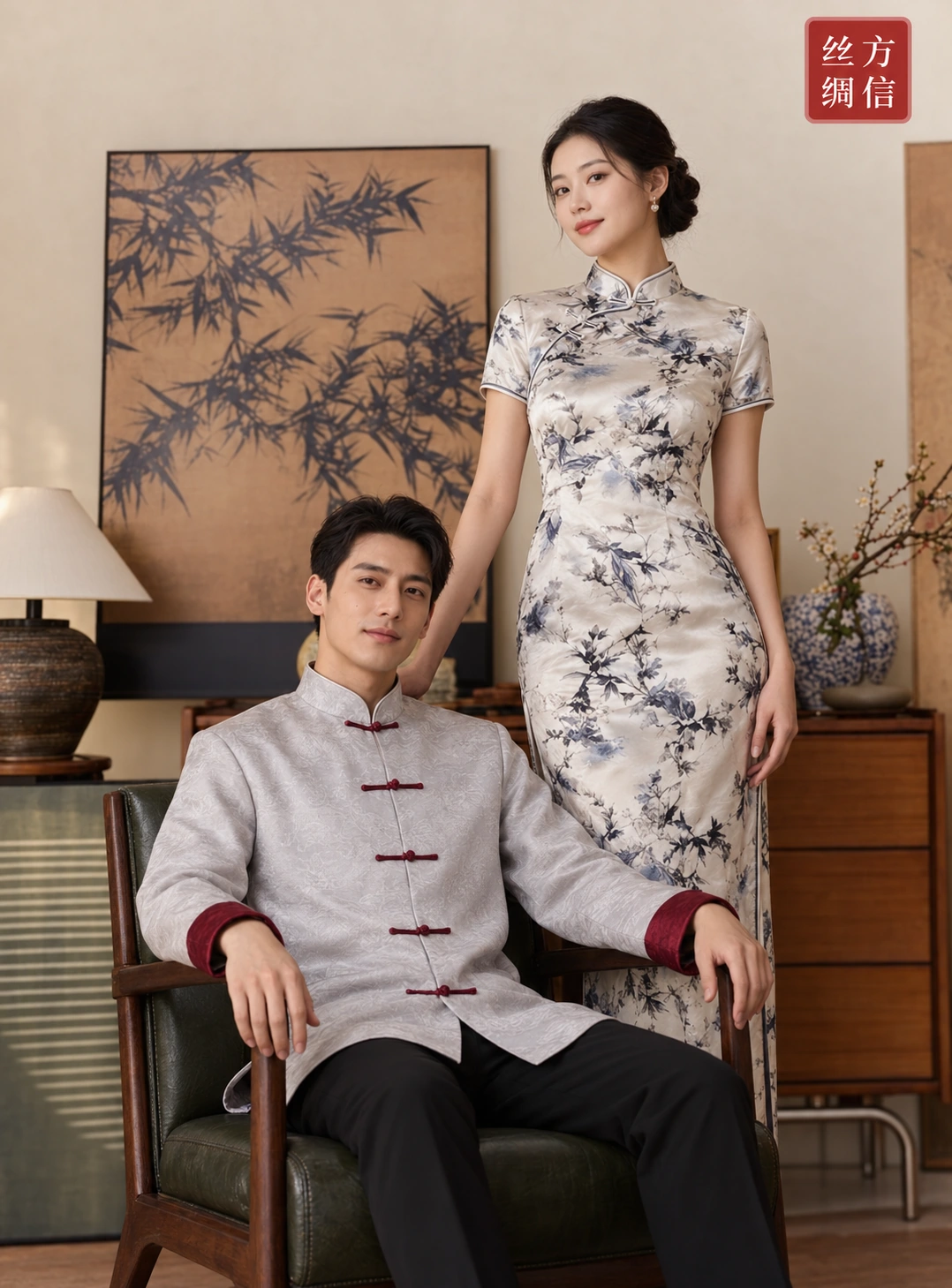
Tell us what you are looking for: product type, color, quantity, and timing. We will reply to you by email.